
A beard is the only part of your face shape you can actually adjust. It adds width, length and angles where your face does not have them, and it can be reshaped every few weeks until it works. That is why beard styles for your face shape follow one simple logic: grow toward balance.
If you do not know your shape, measure quickly or check from a clean-shaven or short-bearded photo with our face shape detector — a heavy beard changes the very proportions you are trying to read.
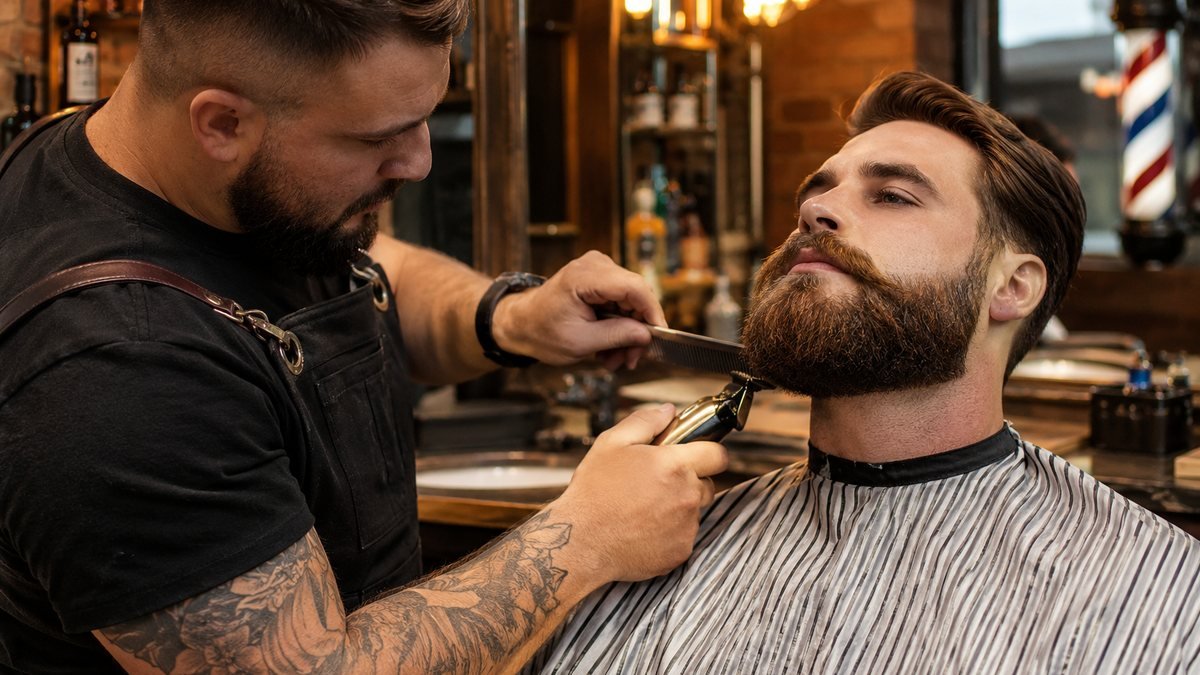
The one principle: grow toward balance
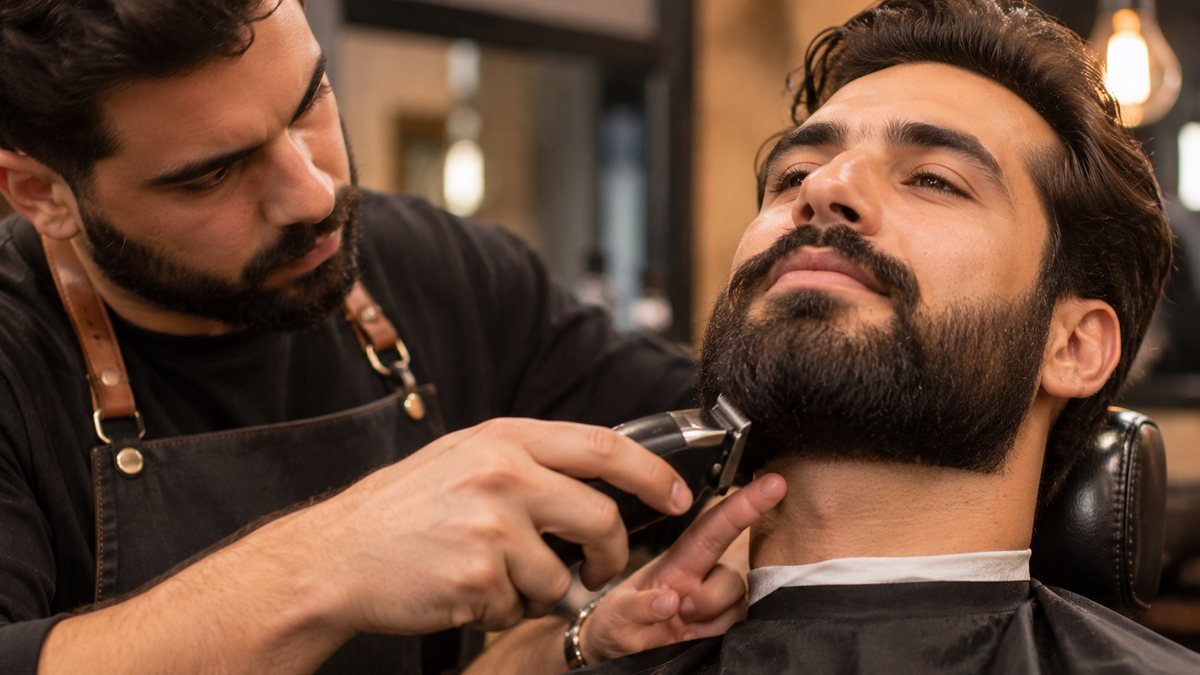
Add volume where your face is narrow. Keep things tidy where your face is already wide or long. A round face wants angles and length; a long face wants width and no extra length; a wide jaw wants softness, not more bulk at the jaw. Every recommendation below is that principle applied six times.
Beard styles for an oval face shape
Goal: change nothing. Oval proportions are already balanced, so the beard's job is to look deliberate, not corrective.
Grow: a short boxed beard or even stubble with clean cheek and neck lines suits almost everything about this shape. A medium full beard also works if the sides stay trimmed close, so you do not accidentally widen the face.
Avoid: very long, pointed styles that drag the oval toward oblong.
Beard styles for a round face shape
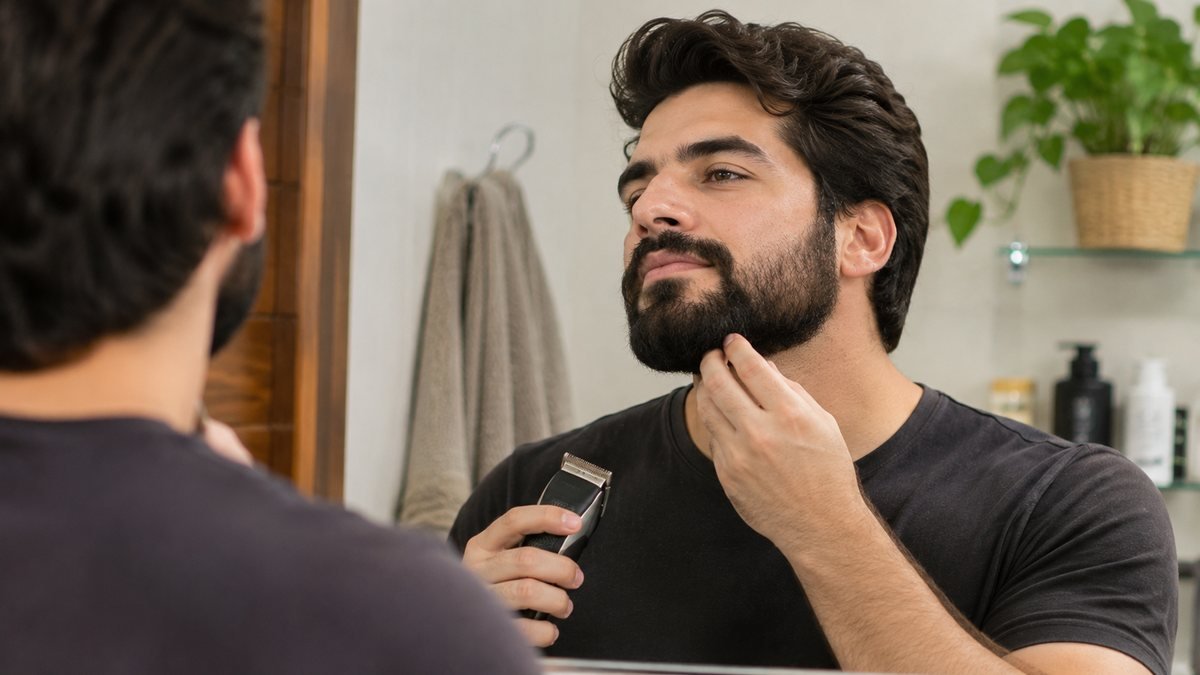
Goal: add length and angles; make the face look less wide.
Grow: a beard that is longer at the chin and shorter on the cheeks — a shaped goatee with connecting growth, or a full beard squared off and kept tight at the sides. Higher, straighter cheek lines add definition the face does not provide on its own. Keep the neckline defined so the beard reads as jaw, not as extra face.
Avoid: puffy side growth and round, bushy outlines — they echo the face's curves and widen it further.
Beard styles for a square face shape
Goal: soften the jaw's corners slightly and add a touch of length.
Grow: a beard a little longer at the chin with rounded edges — a circle beard or a full beard grown past the jawline and shaped with a curve rather than a hard square bottom. Keeping the sides moderate stops the jaw looking wider than it is.
Avoid: squared-off, wide beards that mirror the jaw's angles and double them.
Beard styles for a heart face shape
Goal: build presence at the jaw and chin, where this shape is narrowest.
Grow: a fuller beard through the jaw and chin area is one of the few styles that genuinely changes a face's balance — it fills the narrow lower third the way hair at the jaw does for women's cuts. A substantial chin beard or a full beard kept fuller low and tidier at the cheeks both work. This is the shape that benefits most from real growth, not stubble.
Avoid: thin chin straps and small goatees that underline how narrow the jaw is.
Beard styles for a diamond face shape
Goal: widen the jaw and chin to stand up to the cheekbones.
Grow: a full beard with real width at the jaw, grown a little longer, does the corrective work here — it builds a lower foundation under the wide cheekbones. Keep the cheek growth controlled so you do not add even more width at the cheekbone line itself.
Avoid: narrow, pointed goatees that leave the cheekbones unopposed and the chin still slight.
Beard styles for an oblong face shape
Goal: add width at the sides; add absolutely no length.
Grow: a shorter, wider beard — fuller on the cheeks and sides, trimmed shorter at the chin — a mutton-friendly shape without the theatre. A wide, neat full beard with a flat or rounded bottom keeps proportions in check.
Avoid: long or pointed beards. Every extra centimetre at the chin is a centimetre added to an already long face.
If your beard is patchy
Patchiness is mostly genetics and age, not effort, and it does not disqualify you. Three honest routes: keep the whole beard shorter and uniform, because gaps show less at one even length; work with the growth you have — a goatee or boxed style built on your strongest zones; and keep the edges tidy, since a sharp outline makes any beard look more intentional. Ignore product claims about growing hair where follicles are not active — no oil or vitamin has solid evidence behind it for that.
Beard and Face Shape FAQs
How do I know my face shape?
Measure forehead, cheekbones, jaw and face length at home, or use a short-bearded photo with the face shape detector. For beard planning, your underlying bone shape is what matters — read it from a photo where the beard is shortest.
Does a beard change your face shape category?
It changes your apparent proportions, which is the whole point. A detector reading a full-bearded photo may classify you differently from a clean-shaven one, because it reads the outline the beard creates. Your bone structure stays the same; the silhouette is what changes.
What beard suits every face shape?
A short, neat boxed beard with clean lines is the safest universal answer — it adds definition without strong correction in any direction. Stubble is the other low-risk option, though it corrects nothing either.
How long should I grow it before judging?
Give a new style several weeks of growth before deciding — most beards look worst in the in-between phase, when length has arrived but density and shape have not settled. Judge it after a proper trim and shaping, not in the wild phase (and be honest about density once it is fully in).
Should the neckline follow my jaw or below it?
Neither extreme. The common working rule is a curved line roughly above the Adam's apple, following the angle where jaw meets neck — high enough to define the jaw, low enough not to look drawn on. The exact point varies with your neck and beard length; when in doubt, leave it slightly lower rather than higher.
The short version
Grow where you are narrow, trim where you are wide, and never add length to a long face. Beards are the one styling tool that can genuinely rebalance a face — use the correction your shape actually needs.