
Not everyone wants to measure their face with a tape. This face shape quiz takes the other route: six plain questions about what you see in the mirror — forehead, jaw, cheekbones, length, chin — and matches your answers to the shape they describe most often: oval, round, square, heart, diamond or oblong.
Be honest about the quiz's limits upfront, because we are: it reads your descriptions, not measurements. It is a good first guess and a fast route to the right styling guide. For a measurement-based check from your actual proportions, use the face shape detector on a straight-on photo afterwards — the two methods agreeing is the result you can trust.
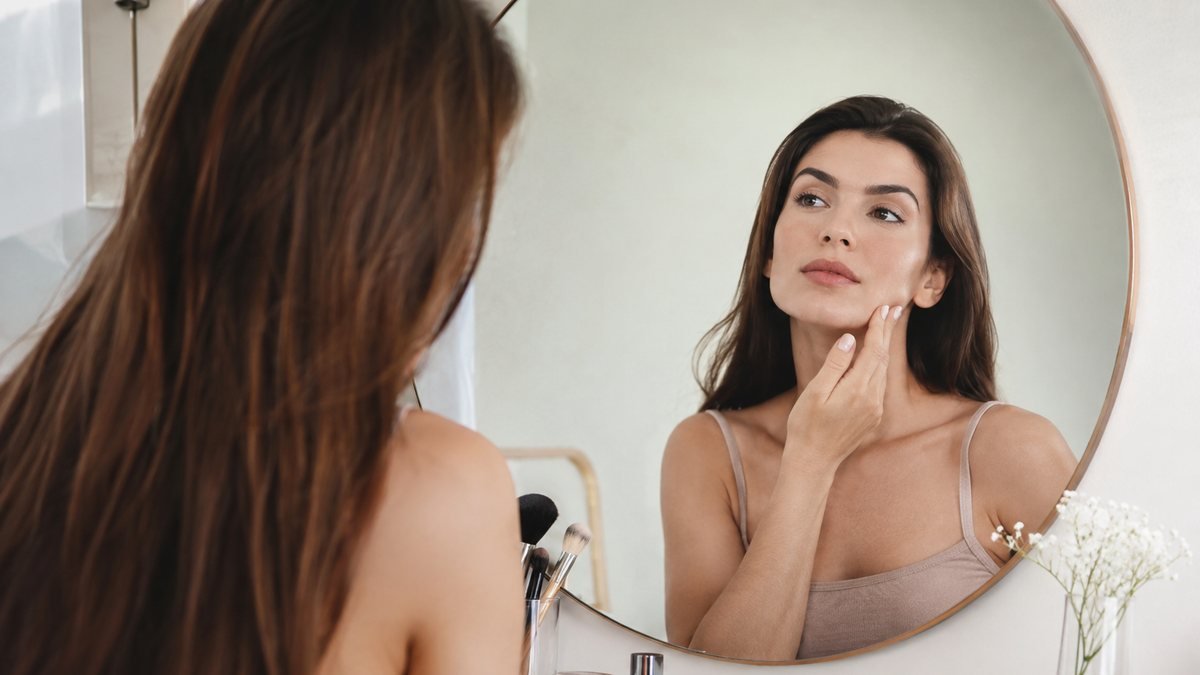
The Face Shape Quiz — 6 questions
Answer from a mirror or a straight-on photo with your hair pulled back. There are no wrong answers — you are describing, not performing.
How to answer well
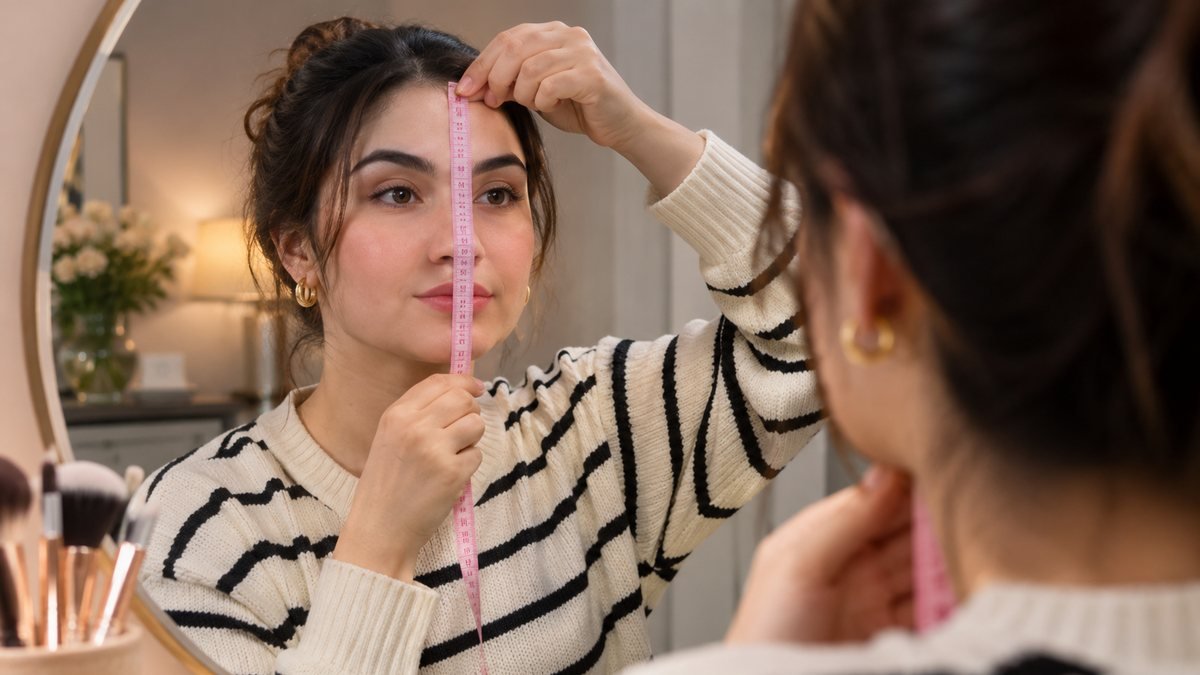
Pull your hair back, face a mirror or a straight-on photo in decent light, and answer about structure, not about styling or weight. "Widest part" means bone outline — cheekbones, forehead width and jaw width as they sit under everything else. If two answers both feel true, pick the one you notice first; borderline answers usually mean a borderline shape, which the guides handle by borrowing advice from both neighbours.
What to do with your result
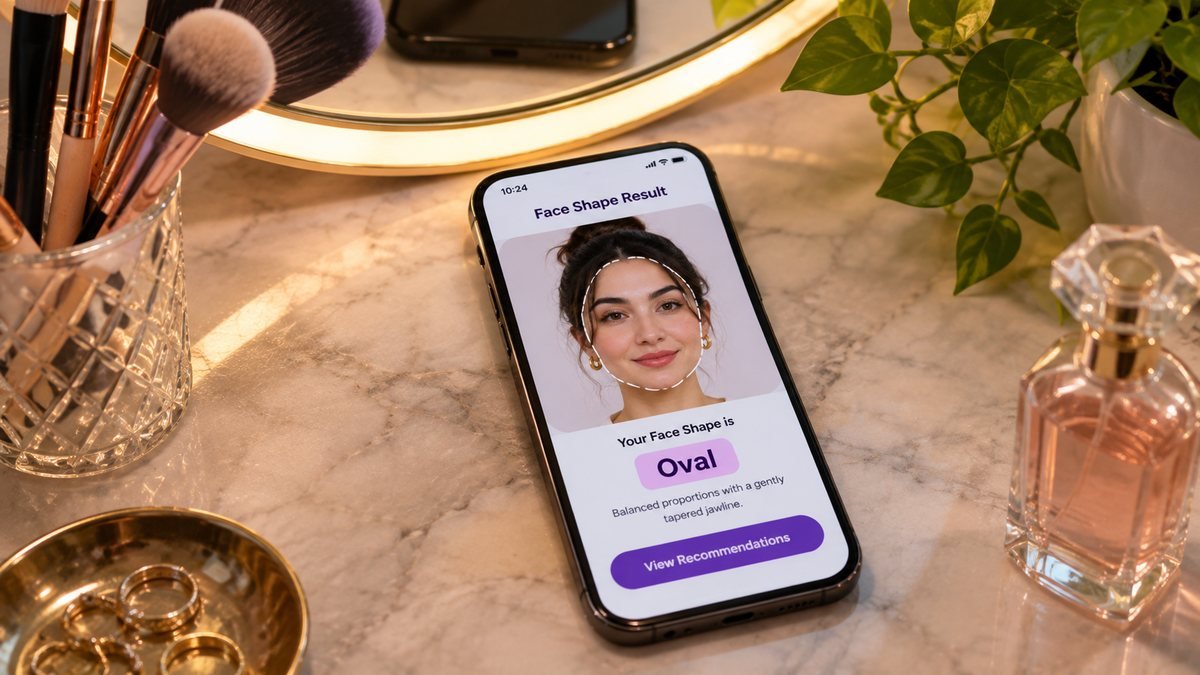
Each shape has a full guide on this site — what defines it, how to confirm it by measuring, and the hairstyles, glasses and makeup that suit it. Start from the quiz result, read its guide, and if the signs in the guide do not match what you see, run the photo detector before buying the haircut. Shape labels are a styling map: useful precisely to the extent they match your face.
FAQs
How accurate is a face shape quiz?
A quiz is only as good as the descriptions fed into it — most people describe their jaw and forehead roughly right, so quiz results land on the correct or neighbouring shape most of the time. It is a starting point. A measurement or a photo-based detector is the confirmation step.
What if I am between two face shapes?
Extremely common — real faces sit on boundaries. Use both shapes' guides and prioritise the feature you notice most: if your jaw reads stronger than your length, follow the angular shape's advice first. The quiz shows the shape your answers favoured most.
Can a quiz replace the face shape detector?
They do different jobs. The quiz organises what you already see; the face shape detector measures proportions from a photo, including ratios most people judge badly by eye. Use the quiz for speed, the detector for the decision.
Should I answer with my hair up or down?
Up, or from a photo with your hair pulled back. Hairstyles deliberately change the outline — volume at the sides can make a narrow face read wider. Judge the structure underneath, not the frame around it.
Does weight change my quiz result?
It can nudge answers about cheeks and jaw softness, because those are the questions where soft tissue speaks loudest. The bone-based answers — widest point, length versus width, chin shape — stay stable. Our article on whether losing weight changes your face shape explains the split in detail.