
If you are looking for a simple, single answer to the question of what is the most attractive face shape, the honest truth is that no single geometry holds a universal crown. While beauty trends on social media and classic salon charts often champion one specific outline, real-world human attraction is far more flexible, diverse, and personal than any rigid geometric rule suggests.
People frequently ask what face shape is the most attractive because we naturally seek clear patterns in beauty. However, scientific research into facial perception shows that personal preferences are soft, culturally influenced, and constantly evolving across eras. What one culture or time period celebrates as the ultimate ideal might be viewed quite differently in another part of the world or in a different decade.
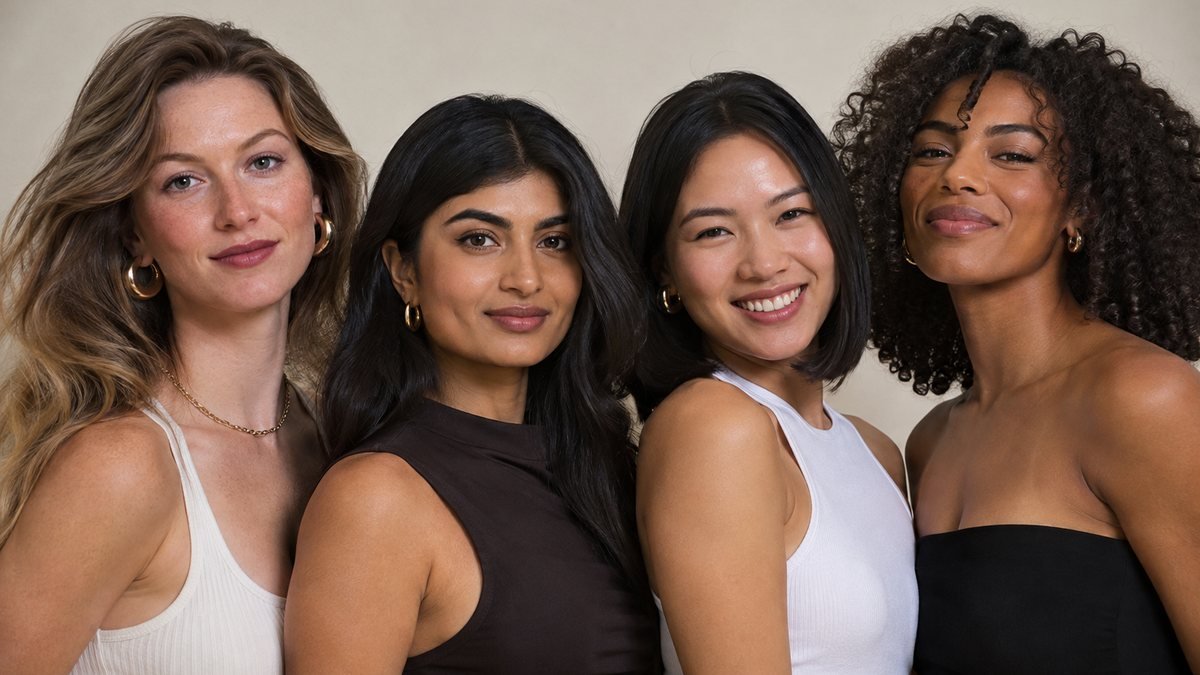
Understanding face shape is best approached not as a ranking system for human worth, but as a practical guide for personal styling. Below, we look at where the popular claims come from, what cognitive research actually reveals about facial aesthetics, and why every single face shape carries its own distinct visual appeal.
Why Oval Is So Often Named First

Search through style guides, beauty articles, or modeling advice, and you will quickly notice that the oval face shape is routinely labeled as the ideal standard. The discussion surrounding oval face shape attractiveness is widespread, but understanding why it earned this reputation requires looking at basic principles of visual balance.
In academic research on visual perception, scientists often study two key phenomena: facial symmetry and facial averageness. In this context, "averageness" does not mean plain or ordinary. Instead, it refers to a mathematical composite—a face whose proportions sit near the numerical middle of a population's population distribution. When researchers blend dozens of photos together to form an average composite, the resulting outline frequently lands very close to an oval shape.
Because oval faces tend to feature balanced vertical and horizontal proportions—where the forehead is slightly wider than the jaw, and the cheekbones form a gentle, curved focal point—they naturally avoid extreme angles or sharp taperings. Visual processing systems in the human brain generally register these balanced, predictable proportions quickly and smoothly.
As a result, fashion, styling, and makeup industries adopted the oval outline as a baseline standard. Because an oval canvas accommodates almost any haircut, eyebrow shape, or pair of glasses without needing corrective balance, it earned a reputation as the baseline default. However, being the easiest to style or sitting near a mathematical middle does not mean it is objectively superior to sharper, softer, or more unique facial structures.
What Studies of Attractiveness Actually Measure
When perception researchers study facial attractiveness in human behavior labs, face shape is rarely the primary driver of perceived beauty. Instead, research shows that overall attraction is a complex formula composed of several biological, visual, and interpersonal cues.
Understanding these components helps put face shape into its proper perspective:
1. Facial Symmetry
Bilateral symmetry—how closely the left side of the face mirrors the right side—is one of the most consistently studied aspects of human visual appeal. Subtle symmetry suggests biological health and stable development. Interestingly, symmetry can exist on a round face, a square jaw, a diamond structure, or an oval contour alike.
2. Facial Averageness and Proportions
As mentioned, faces that align closer to population midpoints are often perceived as familiar, pleasant, and easy for the brain to process. Face shape contributes to this sense of proportion, but it is the relationship between individual features—such as the distance between the eyes or the ratio between the nose and mouth—that matters most, rather than just the outer jaw boundary.
3. Skin Quality and Health Cues
In many visual studies, cues indicating biological vitality play a far larger role in perceived attractiveness than the underlying bone geometry. Evenness of skin tone, natural coloration, clarity, and smooth light reflection signal overall wellness. A healthy complexion enhances the appeal of any outline, regardless of whether the chin is pointed, square, or rounded.
4. Sexual Dimorphism
Research often explores how masculine or feminine traits influence visual preference.
- Feminine preferences: Often lean toward softer jawlines, fuller cheeks, and gentler curves (frequently associated with heart, oval, or round shapes).
- Masculine preferences: Frequently emphasize defined jawlines, prominent cheekbones, and angular structures (commonly seen in square or diamond shapes).
Ultimately, scientific research confirms that face shape is only one small element of a vast visual picture. Factors like warm eye contact, genuine smiles, confidence, grooming, and expressive movement regularly outweigh structural bone geometry when people evaluate real-world attractiveness.
Preferences Differ by Culture, Era, and Person
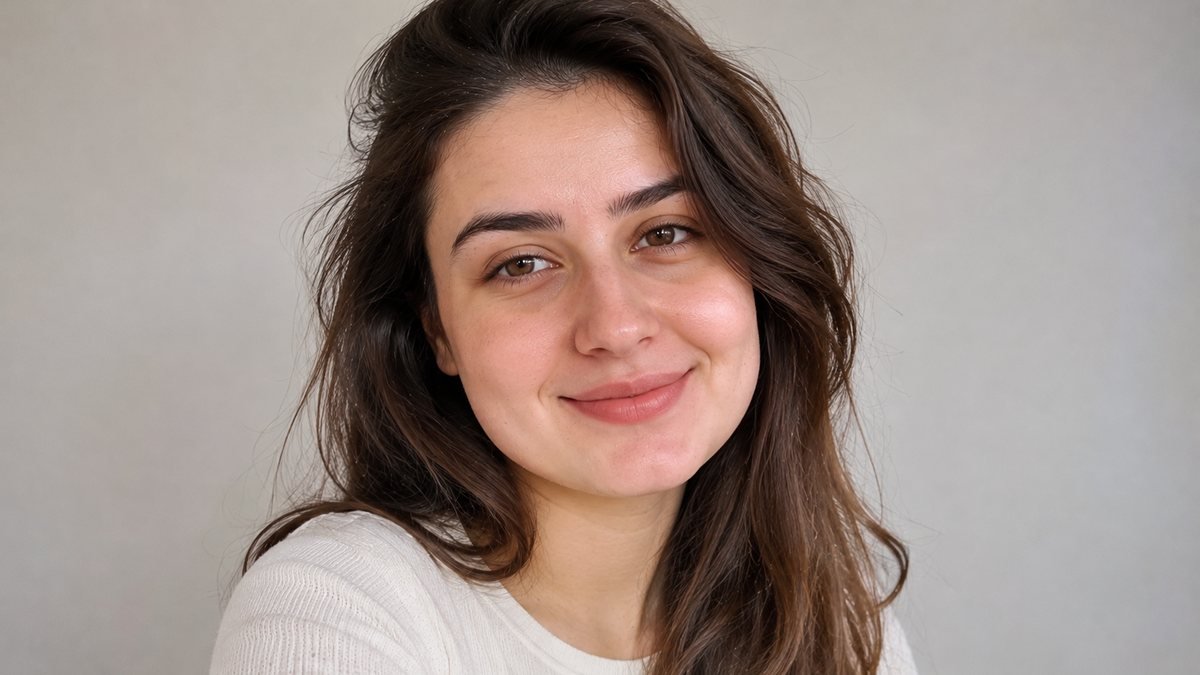
There is no universal consensus on the best face shape because cultural values and media influences heavily shape what communities find alluring. Aesthetic preferences vary dramatically depending on where you live and when you live there.
Cultural Variations
- East Asian Aesthetic Traditions: In many East Asian beauty cultures, delicate, V-shaped contours—characterized by a narrow chin, soft jaw line, and high heart-like tapers—have long been highly prized. Softness and refinement are often prioritized over sharp, broad angles.
- Western Fashion Trends: Western culture frequently celebrates bold, angular features. Strong, square jawlines, high sculpted cheekbones, and defined diamond shapes are routinely featured prominently on high-fashion runways and red carpets.
Historical Shifts
Beauty standards evolve continuously across decades:
- Mid-20th Century: Mid-century Hollywood beauty icons often featured rounded, soft, and distinctly oval silhouettes that projected approachable warmth and classic elegance.
- Late 20th Century: The supermodel era of the late 1980s and 1990s shifted attention toward striking, broad, square jawlines and razor-sharp cheekbones, framing strength as a core element of high style.
- Modern Social Media Era: Today, trends flip rapidly. Highlighted cheekbones, contoured heart shapes, and lifted jawlines dominate feeds, demonstrating that popular standards are fluid rather than fixed.
When discussing the most attractive face shape female standard, media platforms frequently oscillate between celebrating sharp definition and praising soft, youthful contours. Similarly, male attractiveness standards bounce between chiseled square jaws and relaxed, balanced ovals. Personal taste remains the ultimate decision-maker; what one person finds breathtaking, another may find unremarkable.
Every Shape Has Its Styling Advantage
Instead of asking which outline is superior, a more useful approach is identifying how different structural features create unique visual strengths. Every outline has clear styling choices that highlight its natural beauty.
If you are curious about your exact structural boundaries, you can use our digital face shape detector to easily analyze your facial proportions from a clear photo.
Oval Face Shape
- Visual Characteristics: Balanced vertical height, slightly wider cheekbones, soft jawline taper.
- Styling Advantages: Versatility is its biggest benefit. Oval outlines can effortlessly wear almost any hair length, blunt cuts, severe side parts, or bold eyebrow shapes without disrupting overall balance.
Round Face Shape
- Visual Characteristics: Soft jawline, gentle curves, equal width and length proportions.
- Styling Advantages: Round faces project a bright, approachable, and enduringly youthful look. Long layers, vertical volume, textured shags, and angular, geometric glasses frame this outline beautifully by adding striking contrast.
Square Face Shape
- Visual Characteristics: Broad forehead, strong cheekbones, parallel sides, and a distinct, angular jawline.
- Styling Advantages: Square shapes exude natural strength, photographic presence, and high-fashion impact. Soft waves, side-swept bangs, round frame glasses, and layered bobs look exceptional by balancing strong structural lines with movement.
Heart Face Shape
- Visual Characteristics: Wider forehead and cheekbones tapering smoothly down to a delicate, pointed chin.
- Styling Advantages: Heart-shaped outlines naturally draw attention upward to the eyes and smile. Chin-length bobs, textured bangs, bottom-heavy curtain layers, and aviator-style eyewear complement this shape wonderfully.
Diamond Face Shape
- Visual Characteristics: High, dramatic cheekbones paired with a narrow forehead and a slender, defined jawline.
- Styling Advantages: Widely considered one of the most photogenic structures, diamond shapes offer high visual drama. Cat-eye glasses, chin-focused volume, swept-back updos, and side fringes showcase those high cheekbones remarkably well.
Oblong (Rectangle) Face Shape
- Visual Characteristics: Elegant vertical structure with consistent width across the forehead, cheeks, and jawline.
- Styling Advantages: Oblong outlines carry a sophisticated, stately grace. Wide bangs, voluminous side curls, oversized horizontal sunglasses, and shoulder-length cuts frame this outline with gorgeous balance.
Most Attractive Face Shape FAQs
Is oval really the most attractive face shape?
Oval is not inherently more attractive than any other shape. It is frequently called the "ideal" shape in beauty industries simply because its balanced proportions make it easy to style with almost any haircut, makeup application, or eyewear frame. Attractiveness itself depends far more on facial symmetry, skin clarity, self-expression, and individual feature harmony.
Is diamond the rarest, and does rare mean attractive?
Diamond is considered one of the less common facial structures because it requires a specific combination of very prominent cheekbones alongside a narrow forehead and narrow jaw line. However, structural rarity does not automatically equal greater aesthetic appeal. Attraction is subjective; while some people adore the dramatic, high-fashion angles of a diamond structure, others prefer the soft approachability of round or heart shapes.
Which face shape is most attractive for men?
There is no single preferred male face shape. Historically, Western media has often emphasized square jawlines and strong rectangular outlines due to their association with traditional masculine traits like physical strength. However, balanced oval structures, sharp diamond angles, and warm round features are equally celebrated across different global cultures and individual preferences.
Can I change my face shape to a more attractive one?
Your underlying bone structure is determined by genetics and remains fixed once adult growth is complete. While dramatic medical interventions exist, changing your fundamental jaw and cheek structure is entirely unnecessary for enhancing your visual appeal. Strategic hair styling, tailored eyebrow shaping, flattering eyewear, and intentional makeup contouring allow anyone to frame their natural shape beautifully without changing who they are.
Does an attractiveness test score face shape?
Modern digital scanning tools—including our fun, interactive visual analysis tools—do not judge human beauty based on rigid rules or dismiss specific face shapes. Instead, structural analyzers read basic facial proportions, geometric symmetry, and feature spacing from a clear photograph to provide an entertaining, informative estimate of age and structural characteristics. They offer useful personal insight, not a definitive grade on personal worth. ---
Beauty Is in the Balance, Not the Border
Your face shape is a blueprint for styling, not a measure of how attractive you are. Whether your outline features the clean symmetry of an oval, the regal angles of a square, the sharp drama of a diamond, or the friendly warmth of a round silhouette, every structure offers distinct visual strengths.
Real-world charm comes from health, confidence, warm engagement, and personal style. Wear your natural features with pride, use tailored styling tips to highlight what you love most about your frame, and remember that true attractiveness cannot be contained within a single geometric boundary.