
A heart shaped face is defined by a broad forehead that gently tapers down through the cheekbones to a narrow, slender jawline and a distinctly pointed chin. This silhouette reflects the visual proportions of a classic heart, combining width across the upper third of the face with soft refinement near the bottom.
Understanding your natural facial structure helps take the guesswork out of personal styling. Rather than attempting to alter your frame, identifying how your proportions balance each other allows you to choose haircuts, frame shapes, and cosmetics that harmonize with your features.
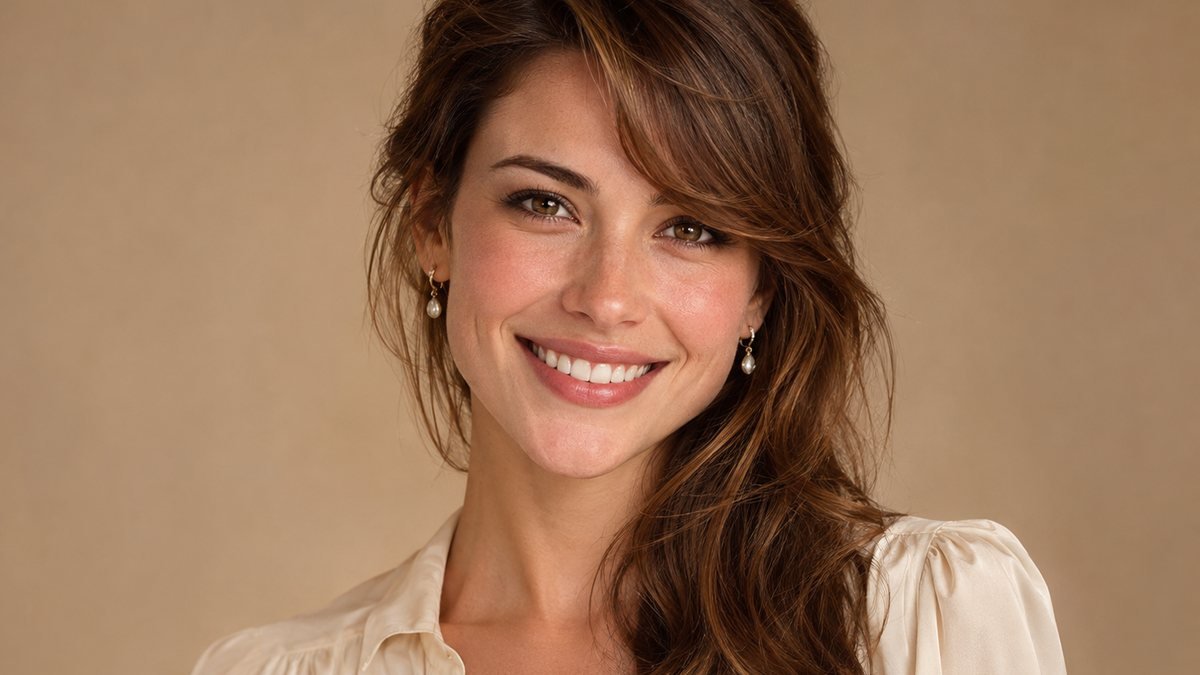
Whether you want to update your hair, select comfortable frames, or adjust your bronzer placement, recognizing the characteristics of a heart face shape provides a practical, straightforward foundation for your aesthetic choices.
How to Tell If You Have a Heart Shaped Face
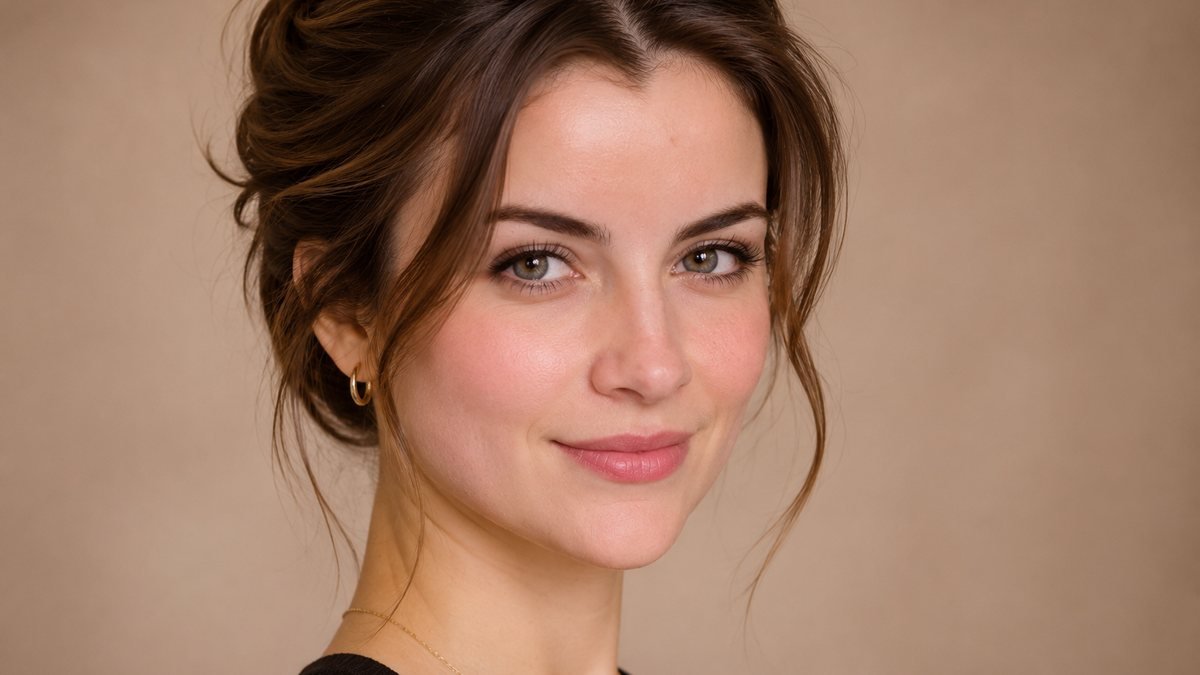
Identifying your face shape is simple once you know what structural details to look for. While every individual has unique contours, a heart-shaped silhouette typically includes several distinct visual features across the hairline, cheekbones, and jaw.
1. A Broad, Prominent Forehead
The forehead is usually the widest measurement of your face. When looking straight into a mirror, the area across your temples and upper cheeks occupies more horizontal space than your jaw.
2. High, Defined Cheekbones
Cheekbones on a heart-shaped structure are typically high and pronounced. They may be almost as wide as the forehead, but they sit higher up on the face, creating a smooth inward angle toward the lower cheeks.
3. A Narrow, Slender Jawline
Unlike square or round face shapes that feature broad or curved jaw corners, a heart face shape has a streamlined jaw. The lines running from beneath your ears down to your chin slope steeply inward without sharp horizontal corners.
4. A Pointed or Defined Chin
The chin serves as the focal anchor of the lower face. It is noticeably narrow and often comes to a soft or sharp point. This sharp taper is what gives the face its classic heart silhouette.
5. A V-Shaped Hairline (Widow's Peak)
A widow's peak face shape features a distinct V-shaped point at the center of the hairline. While a widow's peak is a classic indicator of a heart shape, it is not strictly required. Many people with a heart-shaped structure have a smooth, rounded hairline while maintaining the broad-forehead-to-pointed-chin proportion.
Heart vs Diamond vs Inverted Triangle
It is easy to confuse heart, diamond, and inverted triangle structures because all three feature a narrow jaw and pointed chin. However, subtle differences in forehead width, hairline placement, and cheekbone prominence separate these shapes.
| Feature | Heart Shaped Face | Diamond Face Shape | Inverted Triangle |
|---|---|---|---|
| Widest Part | Forehead | Cheekbones | Forehead |
| Forehead Width | Broad and open | Narrow / Tapered | Very broad |
| Cheekbones | High, slightly narrower than forehead | Very prominent; widest point | Flat to softly angled |
| Jaw & Chin | Narrow jaw, pointed chin | Narrow jaw, pointed chin | Narrow jaw, pointed chin |
| Hairline | Curved or V-shaped (widow's peak) | Tapered or angular | Straight and broad |
The Forehead Test: Heart vs Diamond Face Shape
The easiest way to perform a heart vs diamond face shape check is to evaluate your upper hairline and cheekbones:
- Pull your hair back and look at your temples.
- If your cheekbones are noticeably wider than your forehead, and your hairline tapers inward at the top, you likely have a diamond face shape.
- If your forehead is the widest part of your face and your hairline remains broad (with or without a widow's peak), you have a heart shaped face.
An inverted triangle face shape, by contrast, behaves similarly to a heart shape but usually features a completely straight hairline, flatter cheek contours, and a sharper, more geometric upper face structure.
How to Measure Your Face Shape at Home

If visual inspection in the mirror leaves you uncertain, taking four basic dimensions with a flexible sewing tape measure can clarify your natural proportions.
Step 1: Measure Forehead Width
Place the tape across the widest part of your forehead, halfway between your eyebrows and your upper hairline. Note the width from temple to temple.
Step 2: Measure Cheekbone Width
Locate the outer corner of one eye, slide down to the high point of the cheekbone, and measure across to the opposite cheekbone.
Step 3: Measure Jawline Width
Find the angle of your jaw just below your ear. Measure along the jaw bone to the middle of your chin, then multiply that number by two to get your full jawline measurement.
Step 4: Measure Face Length
Measure from the exact center of your upper hairline straight down over your nose to the tip of your chin.
Analyzing Your Numbers for a Heart Shape
Your measurements will reflect a heart-shaped structure if they follow this pattern:
- Forehead measurement is the largest (or nearly tied with cheekbone width).
- Cheekbone measurement is second largest, sitting just slightly under forehead width.
- Jawline measurement is the smallest of the three width dimensions.
- Face length is slightly greater than the width, giving the overall outline a balanced vertically oval flow.
If you prefer an automated estimation without pulling out a tape measure, you can use a photo estimate via our face shape detector. Using front-facing photo analysis, the tool offers a quick, practical baseline estimate of your overall facial geometric proportions.
Hairstyles That Suit a Heart Shaped Face
When choosing heart shaped face haircuts, the primary styling goal is to soften upper forehead width while creating visual fullness around the narrow chin and jaw area. Haircuts that add texture, volume, or soft movement near the lower half of your face create a balanced, flattering appearance.
1. Long Layers Starting Below the Chin
Long, flowing layers that begin beneath the chin draw eye movement downward. By placing the shortest layers around the collarbone, you build horizontal volume where your face naturally narrows, creating a balanced frame.
2. Chin-Length Bobs and Lobs (Long Bobs)
A classic bob that rests directly at chin level—or a lob that grazes the collarbone—is one of the most effective hairstyles for this structure. Texturizing the ends of a bob adds body around the jawline, softening a pointed chin.
3. Side-Swept and Curtain Bangs
Full, heavy bangs can cover the forehead, but soft side-swept bangs break up upper face width diagonally. Curtain bangs that part down the center and sweep outward past the cheekbones highlight high cheek structure while softening temple width.
4. Deep Side Parts
A deep side part breaks up symmetry across a broad forehead. By shifting hair weight to one side, you interrupt the horizontal expanse of the upper face and direct attention down toward your eyes and mouth.
5. Soft Beach Waves and Shags
Straight, flat hairstyles emphasize wide upper features and a narrow chin. Incorporating soft waves, curl patterns, or shaggy layers introduces mid-face texture that widens narrow lower features.
6. Textured Pixie Cuts with Side Fringe
Short haircuts work exceptionally well on heart face shapes as long as they maintain soft fringe across the top. A pixie cut featuring soft, wispy side bangs keeps the focus on high cheekbones without drawing attention to a wide forehead.
Styles to Use Caution With
- Heavy, Straight-Across Blunt Bangs: These create a sharp horizontal line that can make a broad forehead look wider.
- Excessive Crown Volume: Adding high teasing or steep volume directly on top of your head elongates the upper face disproportionately.
- Slicked-Back Hair with Sleek Ends: Tight, slick ponytail styles expose forehead width while stripping away volume near the jaw.
Glasses and Sunglasses for a Heart Shaped Face
The goal when selecting eyeglasses or sunglasses is to choose frames that balance upper width without overpowering delicate jaw features. Frame proportion, temple height, and lens shape all play critical roles.
Frames That Work Well
#### Bottom-Heavy Frames Frames featuring wider lower rims or subtle detailing along the bottom edge draw visual weight downward, counterbalancing a broad forehead.
#### Oval and Round Frames Softly curved, round, or oval frames temper sharp angles. If you have a pronounced, pointed chin, rounded frames soften your overall facial silhouette.
#### Light-Colored or Rimless Frames Minimalist, rimless, semi-rimless, or light-colored acetate frames (such as clear, champagne, or soft nude tones) keep the upper face light and uncluttered.
#### Low-Set Temples Eyeglasses with arms (temples) attached lower on the frame chassis draw eyes away from the upper temple area, balancing your proportion.
Frames to Approach With Caution
#### Overly Top-Heavy Frames Eyewear featuring thick upper brow lines, heavy dark upper rims, or aggressive embellishments across the top edge accentuate forehead width.
#### Sharp, Extreme Cat-Eye Frames While a subtle upward flick can complement cheekbones, wide cat-eye frames that extend far beyond your temples exaggerate upper face width and make your chin appear disproportionately sharp.
#### Oversized Square Frames Large, boxy frames overwhelm delicate lower facial features and create sharp vertical lines that clash with high cheekbones.
Makeup Tips for a Heart Shaped Face
Strategic makeup application uses light and shadow to create harmony between a broad forehead and a slender chin.
1. Contour the Temples and Forehead Sides
Apply a matte contour or bronzer along the outer sides of your forehead and down toward your temples. This darkens the outer edges, visually slimming the forehead and pulling attention toward the center of your face.
2. Highlight the Chin and Jawline
Add a touch of subtle matte highlighter or light concealer to the center of your chin and along the soft curve of your jawline. Illuminating these areas visually broadens a narrow lower face.
3. Balanced Blush Placement
Place blush slightly lower on the apples of your cheeks rather than high along your outer temples. Sweep the color horizontally inward toward your nose rather than upward toward your hairline to build middle-face width.
4. Soft, Rounded Eyebrows
High, sharp eyebrow arches can make a pointed chin appear sharper. Instead, shape brows with a soft, natural curve or slightly rounded arch to add gentleness across your upper face.
5. Bold Lip Colors
Because the lower face is naturally understated on a heart shape, wearing bright or deep lip colors (such as rich berries, reds, or rose tones) anchors visual interest on your mouth and chin.
Famous Faces with a Heart Shaped Face
If you have a heart-shaped facial structure, you share proportions with several notable public figures. Seeing how stylists handle their hair, makeup, and frame choices offers practical real-world inspiration.
- Reese Witherspoon: Often cited as a classic example of a heart-shaped face, featuring a broad forehead, prominent cheekbones, and a distinctly pointed chin.
- Scarlett Johansson: Frequently referenced for her high cheekbones, tapered jawline, and soft widow's peak hairline.
- Halle Berry: Known for wearing short, textured haircuts that highlight high cheekbones and a narrow chin.
Observing how these public figures use side parts, soft layers, and curtain bangs highlights how versatile a heart-shaped frame can be.
Heart Shaped Face FAQs
Is a heart shaped face rare?
No, a heart shaped face is a common facial structure. While the presence of a distinct widow's peak combined with a sharply pointed chin is less universal, general heart proportions—a wide forehead tapering to a slender chin—are frequently found across all ethnicities.
Heart or diamond — how do I tell?
Look directly at your hairline and cheekbones. If your forehead is the widest part of your face, you have a heart shaped face. If your cheekbones are noticeably wider than both your hairline and your jawline, you have a diamond face shape.
Can a heart shaped face change with age?
Yes. As age alters skin elasticity and facial fat distribution, volume naturally shifts downward. This soft redistributing can round out jawlines or lessen cheek prominence over time, though your underlying bony structure (forehead width and chin position) remains consistent.
What hairstyle should a heart shaped face avoid?
It is generally best to avoid heavy, straight-across blunt bangs combined with sleek, straight shoulder-length hair. This combination highlights forehead width while leaving the chin area looking overly sharp and narrow.
Does a widow's peak always mean heart shaped?
No. A widow's peak is simply a hairline feature characterized by a V-shaped point at the center of the forehead. People with oval, round, or diamond face shapes can also have a widow's peak. A heart shape depends on overall balance—broad forehead to narrow chin—rather than hairline pattern alone. ---
Discovering Your Personal Proportions
A heart shaped face provides a dynamic foundation for personal styling. By selecting hairstyles that build subtle volume around the jaw, frames that soften upper width, and makeup techniques that bring light to the chin, you create effortless balance across your features.
If you are curious about your overall facial proportions or want a photo-based analysis, try our online face shape detector. Uploading a clear, front-facing image provides a fast visual baseline, helping you explore hair, glass, and makeup styles tailored to your individual shape.