
If you look in the mirror and notice that your face is visibly longer than it is wide, you likely have an oblong face shape. Often referred to simply as a long face shape, this silhouette is defined by elegant vertical lines, balanced features, and a sleek overall appearance.
It is completely normal to feel confused when trying to determine your exact face shape. People frequently use terms like "oblong," "long," and "rectangular" interchangeably in hair and fashion guides, which can make choosing haircuts or glasses feel overwhelming.
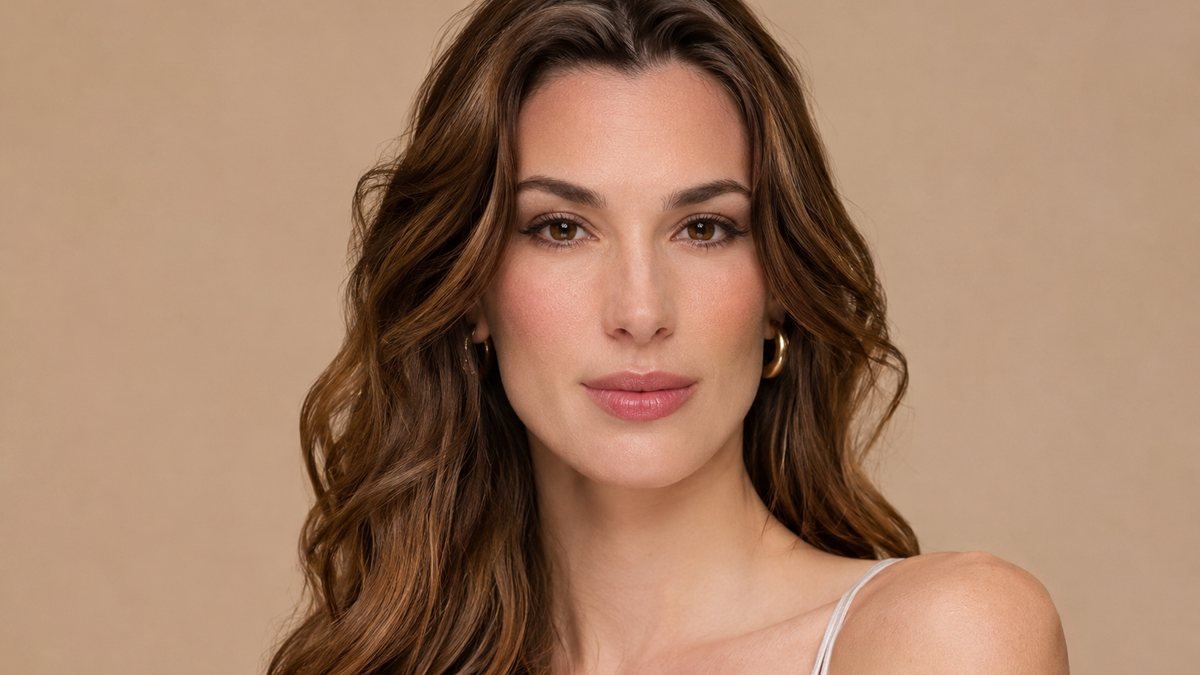
While these terms all describe elongated facial proportions, understanding the specific characteristics of an oblong face helps you highlight your natural structure. With a few targeted styling adjustments, you can easily create balance, add soft width, and showcase your best features with confidence.
How to Tell If You Have an Oblong Face Shape
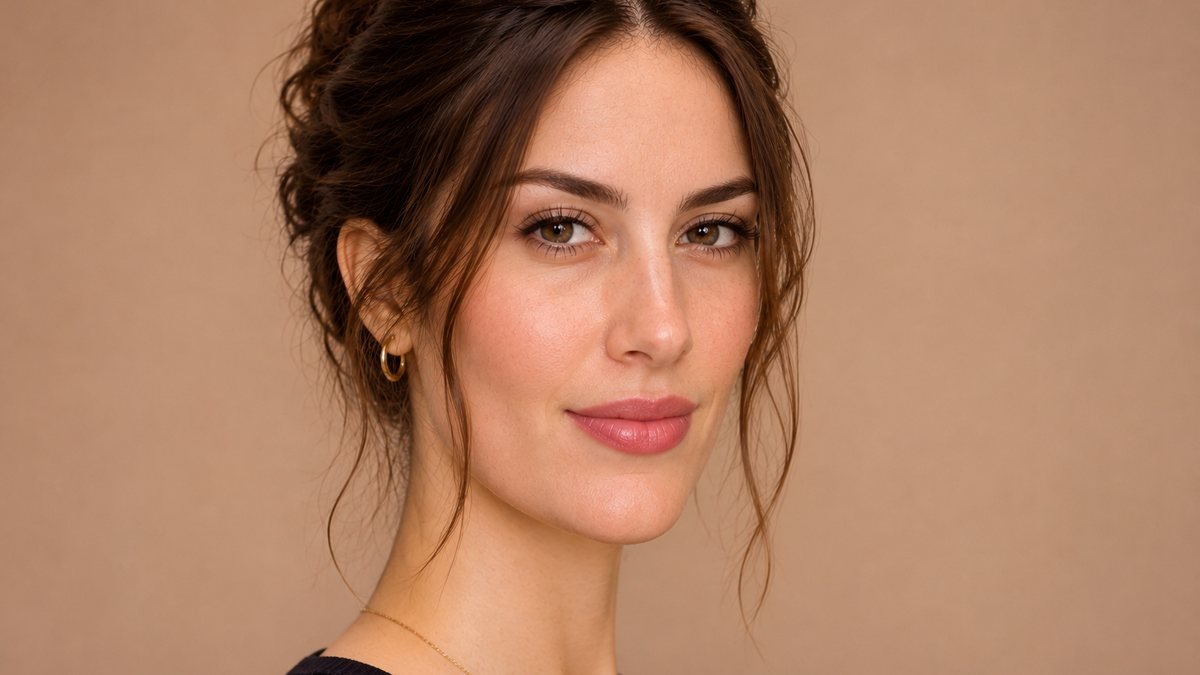
Identifying an oblong face shape comes down to assessing your proportions and observing how your features align from top to bottom. While every face is unique, an oblong structure usually presents a specific set of visual cues:
- Face length is clearly greater than face width: The distance from the top of your hairline to the tip of your chin is noticeably longer than the distance across your cheekbones or jaw. In many cases, the length is nearly double the width.
- Uniform width across three key zones: Your forehead, cheekbones, and jawline measure roughly the same width. This creates a consistent visual line down both sides of your face.
- Straight side contours: Unlike round or heart-shaped faces that curve outward significantly at the cheeks, an oblong face has straight, parallel sides from the temples down to the jaw.
- Softly rounded or gently squared jaw: The chin area on an oblong face is typically rounded or slightly soft-squared. It lacks the sharp point of a heart shape or the ultra-broad, angular base of a classic square face.
If your face feels long, lean, and balanced with continuous straight sides, you are almost certainly working with an oblong baseline.
Oblong vs Oval vs Rectangle
Because elongated faces share similar traits, it helps to compare them side by side. The primary differences lie in the overall length-to-width ratio and the angle of the jawline.
| Feature | Oblong Face Shape | Oval Face Shape | Rectangular Face Shape |
|---|---|---|---|
| Length-to-Width Ratio | Significantly longer than wide (often close to 2:1) | Moderately longer than wide (around 1.5:1) | Significantly longer than wide (often close to 2:1) |
| Cheekbone Profile | Same width as forehead and jaw; straight sides | Slightly wider than forehead and jaw; soft curves | Same width as forehead and jaw; straight sides |
| Jawline Shape | Gently rounded or soft-squared | Curved, egg-shaped, tapering slightly to chin | Sharp, strong, and distinctly angular |
| Overall Visual Impression | Sleek, long, and softly balanced | Proportional, softly oval, classic symmetry | Long, structured, and sharp |
Key Takeaways for Comparison
When analyzing oblong vs oval face shape traits, remember that an oval face is shorter and features gentle curves at the cheekbones and chin. An oblong face maintains a longer vertical silhouette with straight sides.
When comparing oblong to a rectangular face shape, the silhouette length is identical, but the jawline tells the story: rectangles feature sharp, square corners at the jaw, whereas oblong shapes have a smoother, softer jawline curve.
How to Measure Your Face Shape at Home
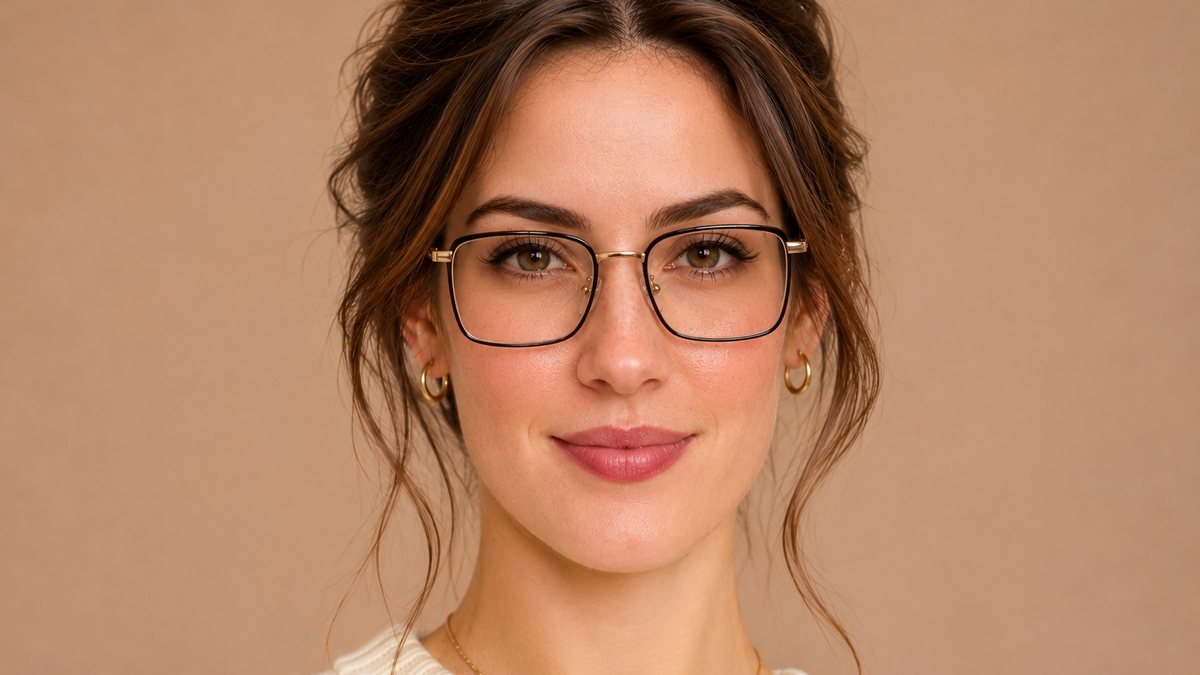
If visual inspection in the mirror leaves you uncertain, taking four simple measurements can clarify your proportions quickly. Grab a flexible measuring tape or a piece of string and a ruler, sit in front of a mirror, and record the following distances:
- Forehead Width: Measure across the widest part of your forehead, halfway between your eyebrows and your upper hairline.
- Cheekbone Width: Place the tape from the peak of one cheekbone across the bridge of your nose to the peak of the opposite cheekbone.
- Jawline Width: Measure from the base of your jaw (just below your earlobe) to the tip of your chin. Multiply that number by two to get your total jawline width.
- Face Length: Measure vertically from the exact center of your hairline down to the tip of your chin.
Analyzing Your Numbers
Look at the relationship between your four numbers:
- If your Face Length is the largest measurement by a significant margin...
- ...and your Forehead, Cheekbones, and Jawline numbers are very close to one another...
- ...you fit the classic mathematical pattern of an oblong face shape.
If you prefer a quick digital double-check without pulling out a tape measure, you can upload a front-facing photo to the photo-based face shape detector at FaceAgeCalc to get an instant visual estimate of your facial proportions.
Hairstyles That Suit an Oblong Face Shape
When styling a long face shape, the main goal of any haircut or style is to visually shorten vertical length while adding horizontal volume and soft texture around the sides. The right haircut acts as a frame, balancing your proportions seamlessly.
Recommended Oblong Face Shape Hairstyles
- Curtain or Full Blunt Bangs: Bangs are exceptionally flattering on oblong faces because they cover part or all of the forehead. By concealing the upper third of the face, fringe immediately breaks up overall length and creates a shorter, balanced visual proportion.
- Deep Side Parts: A strong side part breaks up vertical symmetry. It sweeps hair across the forehead diagonally, cutting down the long line of the face and drawing focus outward.
- Chin-Length or Collarbone Lobs: Cuts that land near the chin or collarbone create a strong horizontal weight line. This brings visual attention sideways rather than dragging the eye downward toward the chest.
- Layered Shags and Face-Framing Waves: Adding layers starting near the cheekbones adds width right where an oblong shape needs it most. Soft, tousled waves push hair outward, filling out the space along the sides of your face.
- Full Curls and Natural Coils: Volume, bounce, and texture on the sides work wonders for long faces. Natural curls automatically create a wider perimeter, offsetting vertical height effortlessly.
Styles to Be Careful With
While you can wear any style you love, a few hair choices can emphasize length more than intended:
- Extremely long, pin-straight hair with a center part: This combination creates two parallel vertical lines that draw the eye straight down, making the face look longer.
- Excessive top volume or high pompadours: Adding height at the crown of your head extends your facial line upward.
- Sleek, tight slicked-back ponytails: Pulling all hair tightly behind your head removes framing width from the sides, fully exposing your vertical proportions.
Glasses and Sunglasses for Oblong Faces
Eyewear is one of the easiest ways to alter the perceived proportions of your face. The right frames act as a horizontal break across your features, balancing length with style.
Frames That Work Best
- Tall, Deep Frames: Choose frames with generous vertical height (such as deep square or oversized rounded shapes). Deep frames cover more vertical area on your face, effectively reducing the appearance of length.
- Slightly Wide Frames: Frames that extend slightly beyond the widest part of your cheekbones add horizontal width, expanding the middle section of your face.
- Decorative or Low-Set Temples: Eyeglasses with bold upper rims, decorative side arms, or low-set temples pull visual focus outward to the sides rather than up and down.
- Round, Wayfarer, and Classic Aviator Styles: Curved lines soften the straight edges of an oblong face, while classic aviator drop-shapes fill out mid-face depth beautifully.
Frames to Approach with Caution
- Small or Narrow Frames: Frames that are short vertically leave too much open space above and below the glasses, making the face look even longer.
- Micro Rectangular Glasses: Very thin, horizontal bar frames highlight long proportions by creating a harsh contrast against vertical space.
Makeup Tips to Balance an Oblong Face
Makeup application for an oblong face shape focuses on creating horizontal movement and softly shading the top and bottom edges to visually compact the vertical line.
Strategic Contour and Bronzing
- Shorten the Hairline: Lightly dust contour powder or liquid bronzer along the top of your forehead near the hairline. This creates a gentle shadow that lowers the visible top boundary of your face.
- Soften the Chin: Sweep a subtle line of contour under the very tip of your chin. Blending downward reduces the vertical drop of your lower face.
Horizontal Blush Placement
- Focus on the Apples: Apply blush directly to the apples of your cheeks and sweep it almost horizontally outward toward your ears.
- Avoid High Diagonal Sweeps: Steer clear of applying blush in a steep upward angle toward your temples, as high diagonal lines pull the face upward and exaggerate length.
Brow Shape and Highlighting
- Opt for Flat, Soft Brows: Eyebrows with a gentle horizontal flow or a low, subtle arch complement oblong faces best. High, steep brow arches add unwanted vertical height.
- Targeted Highlighting: Highlight the tops of your cheekbones to draw eyes outward. Avoid placing long vertical stripes of highlighter down the bridge of your nose or down the center of your chin.
Famous Faces with Oblong Features
Observing how celebrities style their hair and makeup offers great real-world inspiration. Celebrity stylists often use fringe, side volume, and deep frames to balance their clients' proportions.
Here are a few widely recognized public figures frequently identified by stylists as having oblong or long facial structure:
- Sarah Jessica Parker: Known for using soft, voluminous curls and center-to-side waves that add lateral width to complement her long features.
- Liv Tyler: Frequently showcases how beautifully curtain bangs and mid-length, layered waves frame an elongated face shape.
- Alexa Chung: A classic example of how shoulder-length bobs, textured fringe, and side-swept locks perfectly balance long proportions.
- Gisele Bündchen: Demonstrates how beachy, horizontal volume focused from the cheekbones down brings effortless balance to an oblong silhouette.
Oblong Face Shape FAQs
Is an oblong face shape the same as rectangular?
Not quite. While both face shapes are longer than they are wide and share continuous straight sides, the difference lies in the jawline. A rectangular face features a sharp, angular, square jaw. An oblong face features a softer, gently rounded or soft-squared jawline.
Oblong or oval — how do I tell the difference?
Check your cheekbones and overall length. An oval face has a length-to-width ratio of roughly 1.5:1, with cheekbones that curve outward as the widest point. An oblong face is noticeably longer (closer to a 2:1 ratio) and maintains a uniform width from forehead down to jaw.
Do bangs really suit oblong faces?
Yes, bangs are one of the most flattering styling choices for an oblong face shape. Because fringe covers the forehead, it visually eliminates vertical height, creating an immediate illusion of shorter, more oval proportions.
Can an oblong face shape change over time?
Bone structure remains constant once adult growth completes. However, age-related changes in skin elasticity, shifts in facial body fat, dental adjustments, or weight fluctuations can alter how full your cheeks look or how sharp your jawline appears over time.
What hairstyle makes an oblong face look shorter?
A chin-length bob paired with curtain or full blunt bangs is the single most effective haircut for making an oblong face look shorter. The bangs cut down vertical forehead height, while the chin-length cut adds horizontal weight at the bottom. ---
Finding Your Best Look
Understanding your face shape is never about following strict rules—it is simply a practical tool to help you highlight your favorite features. If you have an oblong face shape, your natural asset is an elegant, balanced vertical line that pairs exceptionally well with chic bangs, textured waves, deep frames, and soft horizontal makeup.
If you are curious to explore your facial structure further or want a quick baseline visual check, snap a clear front-facing picture and try out the simple face shape detector at FaceAgeCalc to get started today.