
Having a square face shape means your facial features carry a striking, highly balanced architectural quality. Defined by a broad forehead, prominent cheekbones, and an equally wide, angular jawline, this shape gives off an aura of strength, symmetry, and timeless presence. It is one of the most classic facial structures, celebrated across fashion and portraiture for its clean lines and sculpted appearance.
If you have a square shaped face, your features tend to align vertically and horizontally in roughly equal proportions. Rather than tapering down toward a pointed chin or curving into a soft circle, the outer edges of your face form straight, confident lines.
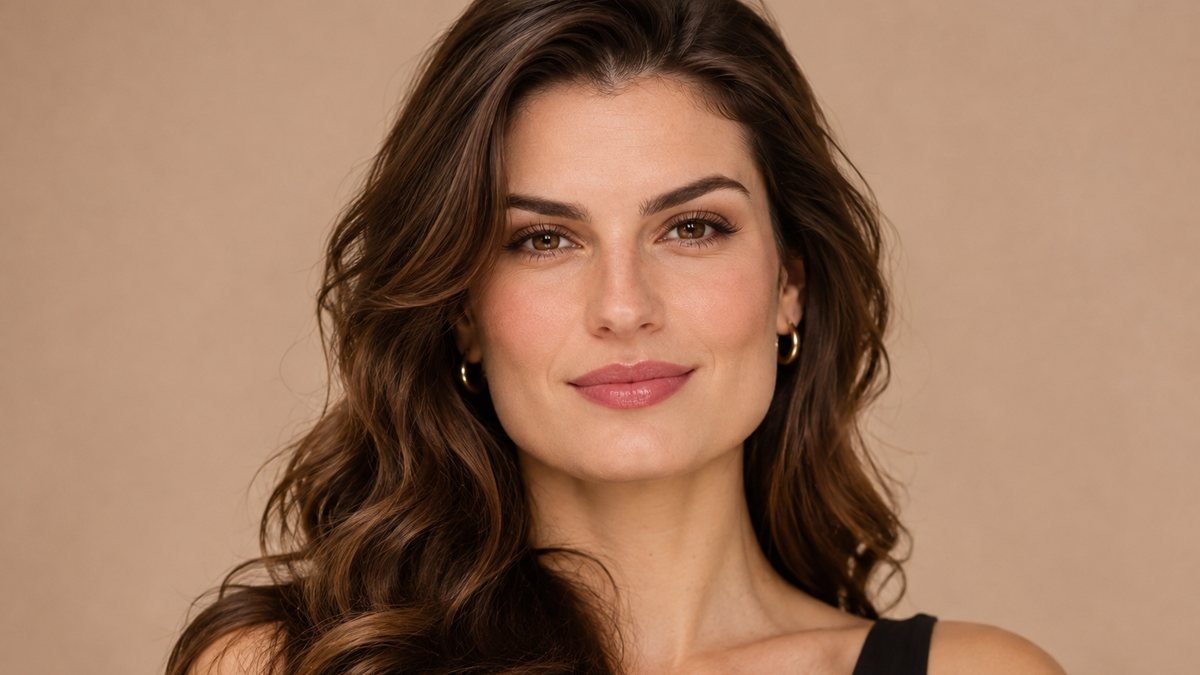
Understanding your specific facial outline opens up a universe of effortless styling choices. Whether you want to accentuate your strong jawline face shape or use clever cuts and accessories to soften sharper angles, knowing what balances your natural silhouette helps you make confident grooming, hair, and eyewear decisions.
How to Tell If You Have a Square Face Shape
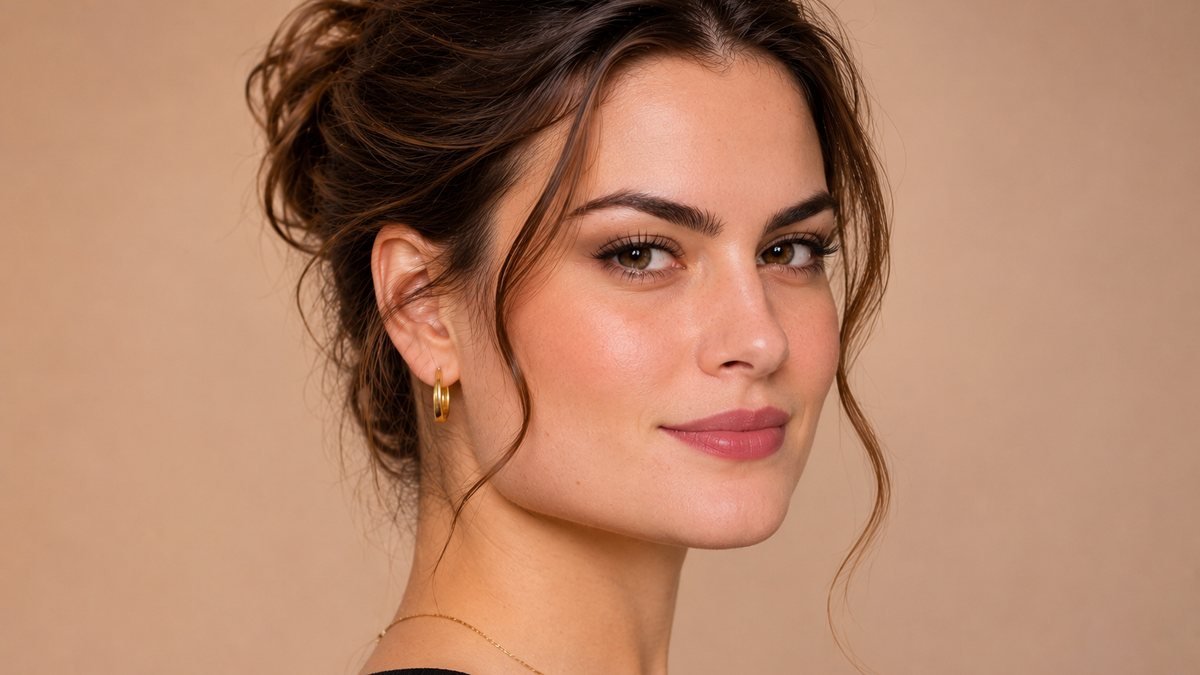
Identifying your facial structure comes down to observing how your key features relate to one another. While no human face is a perfect geometric shape, a square face displays several distinct visual markers:
- Forehead and Jaw Are Equal in Width: Look straight into a mirror. The widest points of your forehead (around the temples) and the widest points of your jaw (just below the ears) measure almost identical in width.
- Cheekbones Align with Upper and Lower Face: Your cheekbones do not drastically flare out or taper inward. Instead, they sit neatly along the outer border, matching the width of your forehead and jawline.
- Angular, Sharp Jaw Corners: The turn of your jaw beneath your ears forms a crisp, defined angle rather than a smooth, continuous curve. This structural corner is the most defining feature of a square frame.
- Broad or Slightly Flat Chin: The chin on a square face typically features a flat or gently squared-off base rather than a narrow point or rounded arc.
- Face Length Close to Face Width: If you measure from the center of your hairline to the tip of your chin, and then across your face from cheekbone to cheekbone, those two numbers will be very close to equal.
If your face checks all these boxes, you possess a classic square structure. If your face has these angular traits but appears significantly longer than it is wide, you may have a rectangular or oblong shape instead.
Square vs Round vs Rectangle Face Shapes
It is easy to confuse a square face with round or rectangular shapes because they share similar proportions or structural markers. Comparing square vs round face shape dynamics, both shapes feature an equal ratio of length to width. However, their contours differ entirely: a round face has soft, curved jawlines without hard angles, whereas a square face features crisp, flat corners along the jaw.
Here is a quick breakdown of how square compares to similar face shapes:
| Feature | Square Face Shape | Round Face Shape | Rectangle Face Shape |
|---|---|---|---|
| Face Ratio (Length to Width) | Nearly 1:1 (Equal) | Nearly 1:1 (Equal) | Noticeably longer than wide |
| Jawline Character | Sharp, angular, squared corners | Soft, smooth, curved without sharp corners | Sharp, angular corners |
| Forehead Width | Broad, matches jaw width | Curved hairline, matches cheek width | Broad, matches jaw width |
| Chin Shape | Flat or slightly squared | Rounded | Flat or slightly squared |
| Overall Outline | Boxy, structured silhouette | Circular, soft silhouette | Elongated, boxy silhouette |
Understanding these fine distinctions ensures you select styling advice tailored to your true outline rather than trying to correct proportions you do not actually have.
How to Measure Your Face Shape at Home
If visual checks leave you uncertain, taking four basic measurements with a flexible seamstress tape measure will give you a clear outline of your proportions.
Step 1: Forehead Width
Place the tape measure at the peak of one eyebrow arch and stretch it across to the opposite eyebrow arch. Record this measurement.
Step 2: Cheekbone Width
Find the sharpest point of your cheekbones (just below the outer corner of each eye). Measure straight across your nose bridge from the outer edge of one cheekbone to the other.
Step 3: Jawline Width
Place the tape measure at the point of your jaw just beneath your earlobe. Run the tape along your jawline to the center of your chin. Multiply that number by two to get your total jawline width.
Step 4: Face Length
Start at the exact center of your hairline (or where your hairline sits) and pull the tape down vertically over your nose to the bottom tip of your chin.
Analyzing Your Pattern
Review your four numbers:
- If your forehead, cheekbones, and jawline are all within an inch of each other in width...
- AND your face length is within an inch or two of your cheekbone width...
- ...you have a square face structure.
If you prefer a fast, automated double-check without grabbing a measuring tape, you can take a straight-on photo and run it through a digital face shape detector to visually analyze your facial ratios in seconds.
Hairstyles That Suit a Square Face Shape
When selecting square face shape hairstyles, the main goal is usually balance. You can either soften the dramatic angles around your lower face or elongate your proportions to draw attention to your eyes and cheekbones.
Flattering hair choices tend to introduce texture, movement, and rounded lines that diffuse harsh jaw corners.
Flattering Cuts and Styles
#### 1. Soft, Long Layers Long layers that begin below the jawline are ideal for a square silhouette. The cascading pieces break up rigid vertical edges and add fluid movement around your neck, taking the visual focus off the sharpness of the jaw.
#### 2. Deep Side Parts A centered part emphasizes the symmetrical width of a square face. Shifting your part deep to one side creates a dynamic diagonal sweep across your forehead, instantly breaking up boxiness and creating visual interest.
#### 3. Textured Waves and Loose Curls Straight hair can highlight rigid jaw angles. Adding loose waves, beachy curls, or natural texture creates soft, curved lines around your face that counteract sharp bone structure.
#### 4. Wispy Curtain Bangs Heavy, blunt bangs widen the face, but light, feathered curtain bangs work wonders. Sweeping outward near the cheekbones, they frame the eyes while softening the upper corners of the forehead.
#### 5. Long Bobs (Lobs) Passing the Collarbone If you love shorter hair, opt for a lob that extends past your jawline down toward your collarbone. Letting the hair fall past the jaw helps pull the eyes downward, giving the illusion of a slightly longer face.
#### 6. Volume at the Crown Adding height to the top of your head—whether through a subtle pompadour, rooted volume, or a textured topknot—elongates your face ratio, shifting a 1:1 balance closer to an oval silhouette.
Hairstyles to Approach with Caution
While any style can work with the right confidence and styling products, certain cuts can exaggerate lower-face width in ways you might not intend:
- Blunt, Jaw-Length Bobs: Cutting hair precisely at the line of your jaw acts like an arrow pointing straight to its widest, sharpest angle.
- Heavy, Straight-Across Bangs: Flat, solid bangs create a strict horizontal line across your upper face, making your overall head shape look shorter and wider.
- Sleek, Flat Center Parts: Combed-down hair parted straight down the middle hugs the cheeks and exposes the full horizontal width of both the forehead and jaw simultaneously.
Glasses and Sunglasses for a Square Face Shape
Eyewear is one of the most effective tools for complementing your bone structure. Because a square face features strong lines and flat angles, the ideal frames introduce contrasting curves to balance your facial features.
Frames That Flatter
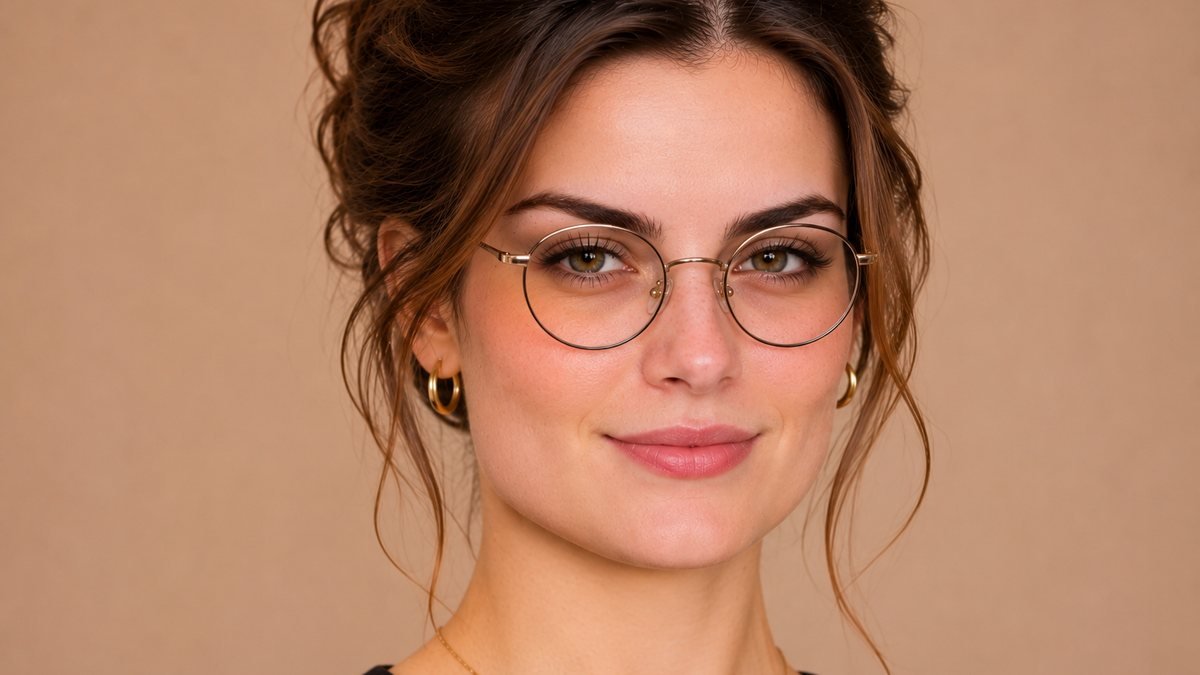
- Round and Oval Frames: Frames with gentle, circular outlines immediately soften a rigid jawline. The contrast between rounded lenses and structured bones creates an enviable, artistic aesthetic.
- Cat-Eye Glasses: Cat-eye frames feature subtle outer corners that tilt upward. This upward sweep pulls visual attention toward your eyes and temples, lifting your features naturally.
- Thin Metal or Rimless Frames: Delicate frame materials avoid adding extra visual weight to a face that already possesses substantial natural structure.
- Frames Wider Than Your Cheekbones: Eyewear that stretches slightly wider than your face breaks up the straight vertical line running from your temples to your jaw.
Frames to Avoid
- Sharp Square or Rectangular Frames: Boxy glasses echo your natural angles, doubling down on sharp corners and making your head shape look rigid.
- Small or Narrow Frames: Frames that are too small appear pinched against a broad forehead and wide jawline, throwing off overall facial harmony.
- Flat-Bottomed Frames: Glasses with a perfectly flat lower rim mimic the horizontal line of a square jawline, drawing undesirable focus to the lower third of the face.
Makeup Tips to Enhance and Soften a Square Face
Makeup application for a square face shape focuses on strategic light and shadow. By placing contour where you want to minimize sharpness and highlighter where you want to create depth, you can customize your look effortlessly.
1. Softening Jaw Corners with Contour
To round out sharp lower angles, sweep a matte contour shade along the back corners of your jawbone—right under your ears—and blend inward toward the chin. This creates a subtle shadow that visually recedes the sharpest points of your jaw.
2. Contouring the Temples
Apply a small amount of bronzer or contour to the outer edges of your forehead near your temples. Shadowing these upper corners subtly narrows the top width of your face, giving it a softer, more oval impression.
3. Highlighting the Center Axis
Draw focus toward the middle of your face by applying highlighter down the bridge of your nose, between your eyebrows, and on the center of your chin. Bringing light to the center vertical axis pulls attention away from wide outer boundaries.
4. Rounded Blush Placement
Instead of painting sharp, diagonal stripes of blush along your cheekbones, apply blush directly to the apples of your cheeks in soft, circular motions. Sweeping it slightly upward toward your temples adds a gentle, rounded flush that softens structured cheekbones.
5. Soft, Arched Eyebrows
Eyebrows act as a frame for your entire face. Avoid completely flat brows or harsh, blocky square ends near the nose bridge. Instead, aim for a soft, medium-high arch with a rounded peak to balance the strong angles of your jawline.
Famous Faces with a Square Face Shape
A square face structure is widely considered striking and camera-ready. Many of the world’s most recognizable cultural icons share this built-in bone structure.
Here are a few well-known figures frequently cited by stylists for their square face shapes:
- Angelina Jolie: Widely recognized for her dramatic, symmetrical jawline, broad forehead, and highly structured lower face.
- Olivia Wilde: Often highlighted as a classic example of a square face, featuring clean jaw angles and balanced facial dimensions.
- Brad Pitt: Frequently cited as the quintessential male example of a broad, structured square silhouette with a flat, defined jawline.
- Margot Robbie: Recognized for her strong cheekbones and structured lower third, which she frequently styles with soft waves and side parts.
These examples show how versatile a square structure can be. Whether styled with sleek elegance or soft volume, strong bone structure provides a versatile foundation for any look.
Frequently Asked Questions
Is a square face shape attractive?
Yes, extremely. A square face shape is often associated with strength, symmetry, and photographic presence. Modern modeling and film industries frequently celebrate square bone structure because sharp jawlines and broad cheekbones catch light exceptionally well on camera.
Square vs round face shape: How do I tell them apart quickly?
The easiest way to tell the difference is by feeling the corners of your jaw just below your ears. A square face has clear, bony angles where the jaw turns toward the chin. A round face follows a smooth, continuous curve from the earlobes down to the chin without hard corners.
Can a square jaw soften with age or weight changes?
While your underlying skeletal bone structure remains the same throughout adulthood, changes in body weight or natural aging can alter how sharp your jawline appears. Gains in soft tissue or natural skin softening over time can smooth out angular corners, making a square face appear slightly rounder or more oval over time.
What hairstyle should a square face avoid most?
The most challenging cut for a square face shape is a sleek, chin-length bob cut straight across with heavy, flat bangs. This combination creates a boxy frame around your head, drawing heavy visual lines to both the top and bottom width of your face.
Are square face shapes more common in men or women?
Square facial structures occur naturally across all genders. While cultural beauty standards often emphasize strong jawlines in men, square face shapes are equally common and celebrated in women for their high-fashion appeal and striking symmetry. ---
Discover Your True Facial Structure
Understanding your face shape isn’t about following strict rules—it’s about having a useful guide to experiment with styles that bring out your natural features. Whether you choose to showcase your strong jawline with sharp tailoring or soften your frame with flowing layers and rounded glasses, your structured features offer great versatility.
If you are still unsure whether your proportions tilt square, rectangular, or oval, try testing your selfie with the face shape detector to instantly analyze your facial structure and find your ideal fit.